Max Elevation
5416m

Group Size
Min.1 Pax

Duration
19 Days

Difficulty
Moderate-Difficult

Accomodation
Hotels/Lodges

Meals
L.D.B

Best Seasons
March-May & Sept-Nov
Transportation
Private Vehicle, Bus, Flight

Region
Annapurna Region
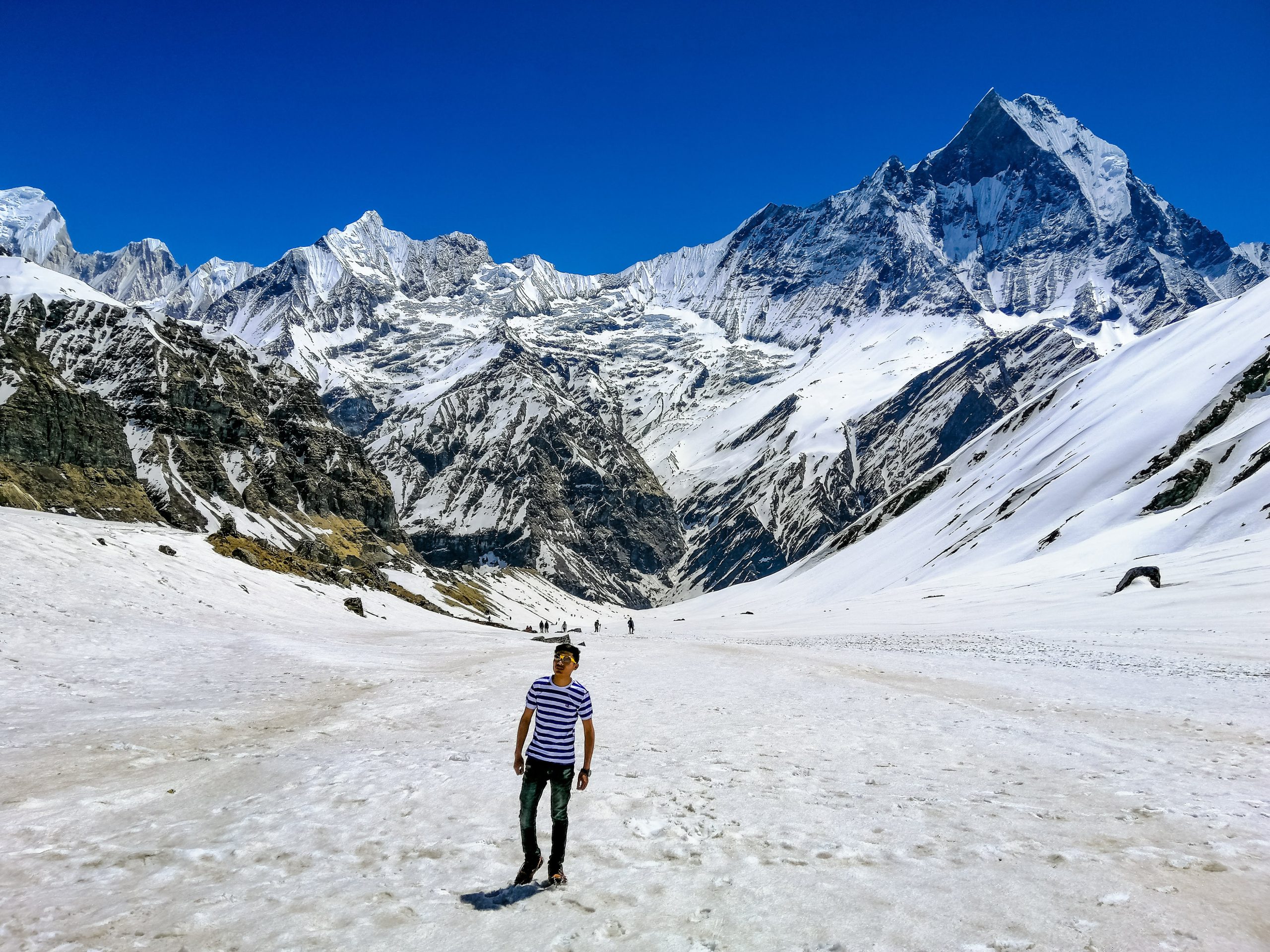
Are you ready to uncover a hidden treasure in the heart of the Himalayas? Our Nar Phu Valley Trek is the perfect adventure for trekkers looking for an off-the-beaten-path experience in Nepal’s stunning Annapurna region. This trek offers a unique blend of unspoiled nature, rich cultural heritage, and breathtaking mountain views, making it an unforgettable journey for adventurers of all levels.
Tucked away in the remote corners of the Annapurna region, the Nar Phu Valley Trek takes you through a restricted trekking area that few travelers have explored. This lesser-known route reveals the pristine beauty of the Himalayas, with dramatic landscapes, towering peaks, and deep gorges that will leave you in awe.
The trek is a perfect combination of adventure and cultural immersion. As you make your way through the ancient villages of Nar and Phu, you’ll have the opportunity to experience the traditional lifestyle of the local people, whose customs and culture are deeply rooted in Tibetan Buddhism. The region’s isolation has helped preserve its cultural heritage, allowing you to witness a way of life that has remained unchanged for centuries.
The Nar Phu Valley Trek is best experienced during the spring (March-May) and autumn (September-November) seasons. During these times, the weather is ideal for trekking, with clear skies, warm days, and cool nights. Spring brings vibrant wildflowers that add a splash of color to the trails, while autumn offers crisp, clear air for breathtaking views.
Interestingly, the Nar Phu Valley lies in a rain shadow area, making it a suitable trekking destination even during the monsoon season (June-August). However, the winter months (December-February) are not recommended due to heavy snowfall that can make the passes difficult to traverse.
We understand that every trekker has unique preferences and requirements. That’s why we offer the flexibility to customize your Nar Phu Valley Trek itinerary. Whether you want to adjust the duration, include additional side trips, or enhance your cultural experiences, we’re here to tailor the trek to your specific needs.
Embark on a journey to one of Nepal’s most secluded and beautiful trekking destinations. The Nar Phu Valley Trek offers a rare opportunity to explore unspoiled landscapes, experience a rich cultural heritage, and challenge yourself in the Himalayas.
Don’t miss out on this extraordinary adventure—book your Nar Phu Valley Trek today and discover the hidden gems of the Annapurna region!
Upon your arrival at Tribhuvan International Airport in Kathmandu, you will be greeted by our representative and transferred to your hotel. After check-in, you’ll have time to relax and recover from your journey. In the evening, we will conduct a brief meeting to discuss the trek and ensure you’re well-prepared. Overnight in Kathmandu.
Today, you’ll explore the rich cultural heritage of Kathmandu Valley. We’ll visit UNESCO World Heritage Sites, including Kathmandu Durbar Square, Swayambhunath Stupa (also known as the Monkey Temple), Boudhanath Stupa, and Pashupatinath Temple. These sites offer a glimpse into Nepal’s ancient history, architecture, and spiritual traditions.
After an early breakfast, we embark on a scenic drive to Besisahar, followed by a local jeep ride to Jagat. The journey offers stunning views of terraced fields, rural villages, and the Trishuli River. As you approach Jagat, the landscape becomes more rugged and mountainous, setting the tone for the trek ahead.
The trek begins with an ascent from Jagat to Chyamje, crossing a suspension bridge and climbing through dense forests of oak and rhododendron. The trail winds through steep gorges, offering dramatic views of waterfalls and towering cliffs. After passing through Kodo village, we arrive at Dharapani, a bustling village on the Annapurna Circuit.
Today’s trek takes us through apple orchards and traditional Manangi villages. The trail features several ups and downs, with stunning views of Manaslu, Himchuli, Lamjung Himal, and Annapurna II. As we approach Koto, the landscape becomes more alpine, with dense pine forests and a cooler climate.
Leaving Koto, we follow the Naar Khola River through a dense forest of pine and rhododendron. The trail is less traveled, offering a sense of seclusion and adventure. After a full day of trekking, we reach Meta, a small village with basic lodges where we spend the night.
Today, we trek through a desert-like gorge, following the Phu Khola. The landscape here is stark and barren, with towering cliffs and narrow canyons. The trail gradually ascends to Phu Gaon, a traditional Tibetan village with ancient monasteries and a rich cultural heritage.
To help your body adjust to the high altitude, we spend an extra day in Phu Gaon. You can explore the village, visit the ancient Tashi Lhakhang Monastery, and interact with the local people. The day is designed to be a relaxed exploration of this culturally rich area.
We leave Phu Gaon and trek towards Nar village, crossing the Mahendra Pul (a suspension bridge) along the way. The trail takes us through remote and rugged terrain, with no settlements between the two villages. Nar is slightly more developed than Phu, with terraced fields and a few lodges.
We spend an extra day in Nar to acclimatize and explore the village. A short hike around Nar offers stunning views of Amodsang Himal, Pisang Peak, Kangaroo, and Pokharkan. This day also provides an opportunity to learn more about the local culture and traditions.
Today is one of the most challenging and rewarding days of the trek. We start early to cross the Kangla Pass, which offers breathtaking 360-degree views of the Annapurna range and beyond. After soaking in the views, we descend steeply to the village of Ngwal.
A relatively easy day awaits as we trek through pine forests and pass by traditional Gurung and Manangi villages on our way to Manang. The village of Manang is one of the larger settlements in the area and offers several amenities, including bakeries and shops.
Today is a rest and exploration day in Manang. You can visit the local monasteries, hike to Gangapurna Lake, or simply enjoy the views of the Annapurna range. This day also allows for further acclimatization before we continue to higher altitudes.
The trail from Manang ascends gradually, passing through alpine meadows and yak pastures. As we gain altitude, the air becomes thinner, and the vegetation sparser. Yak Kharka is a small settlement that serves as a resting point for trekkers heading to Thorong La Pass.
Today’s trek is shorter but takes us to higher altitudes as we approach Thorong Phedi, the base camp for crossing Thorong La Pass. The trail is well-trodden, but the high altitude makes the trek challenging. Thorong Phedi is a busy hub for trekkers preparing to cross the pass.
We begin our ascent to Thorong La Pass early in the morning to avoid strong winds. The climb is steep and challenging, but the reward is an unforgettable view from the top. After celebrating our achievement, we descend to Muktinath, a sacred site for both Hindus and Buddhists.
After visiting Muktinath Temple, we descend through the Kali Gandaki Gorge to Jomsom. The trail is mostly downhill, passing through villages with Tibetan influence. Jomsom is a bustling town with an airport, where we’ll take a flight the next day
We take a short morning flight from Jomsom to Pokhara, where you’ll have the rest of the day to relax and explore the lakeside city. Pokhara is known for its beautiful lakes, vibrant markets, and stunning views of the Annapurna range.
We drive back to Kathmandu, enjoying the scenic views of the countryside along the way. Upon arrival, you can check in to your hotel and spend the rest of the day at leisure, either relaxing or exploring more of Kathmandu.
The Nar Phu Valley Trek is considered a moderately difficult trek. It involves steep ascents, high altitudes, and long trekking days. The most challenging part of the trek is crossing the Kangla Pass (5,322m) and Thorong La Pass (5,416m). Good physical fitness and acclimatization are essential.
The best time for the Nar Phu Valley Trek is during the spring (March to May) and autumn (September to November) seasons. These months offer stable weather, clear skies, and moderate temperatures, making the trek more enjoyable.
The Nar Phu Valley Trek typically takes around 19 days to complete, including time for acclimatization and travel. The trek covers approximately 150-170 kilometers, depending on the specific route and side trips.
Accommodation on the Nar Phu Valley Trek is primarily in tea houses, which are basic lodges that provide meals and lodging. In remote areas like Nar and Phu villages, facilities can be quite rudimentary, with shared bathrooms and limited amenities.
Preparation for the Nar Phu Valley Trek should include physical training, such as cardio exercises, strength training, and practice hikes with a loaded backpack. It’s also important to research altitude sickness, pack appropriate gear, and ensure you have the necessary permits and travel insurance.
The Nar Phu Valley Trek offers a rich cultural experience, with visits to traditional Tibetan-influenced villages, ancient monasteries, and interactions with the local Gurung and Manangi people. The villages of Nar and Phu are particularly unique, preserving ancient customs and lifestyles.
Yes, travel insurance is essential for the Nar Phu Valley Trek. Your insurance should cover high-altitude trekking (up to 5,500m), medical emergencies, evacuation by helicopter, and trip cancellations. It is advisable to choose a policy that specifically covers trekking activities in Nepal.
Booking Form