Max Elevation
3210m

Group Size
Min.1 Pax

Duration
5 Days

Trip Difficulty
Easy-Moderate

Accomodation
Hotels, Lodges

Meals
B.L.D

Best Seasons
March-May & Sept-Nov

Transportation
Tourist Bus and Private car

Region
Annapurna Region
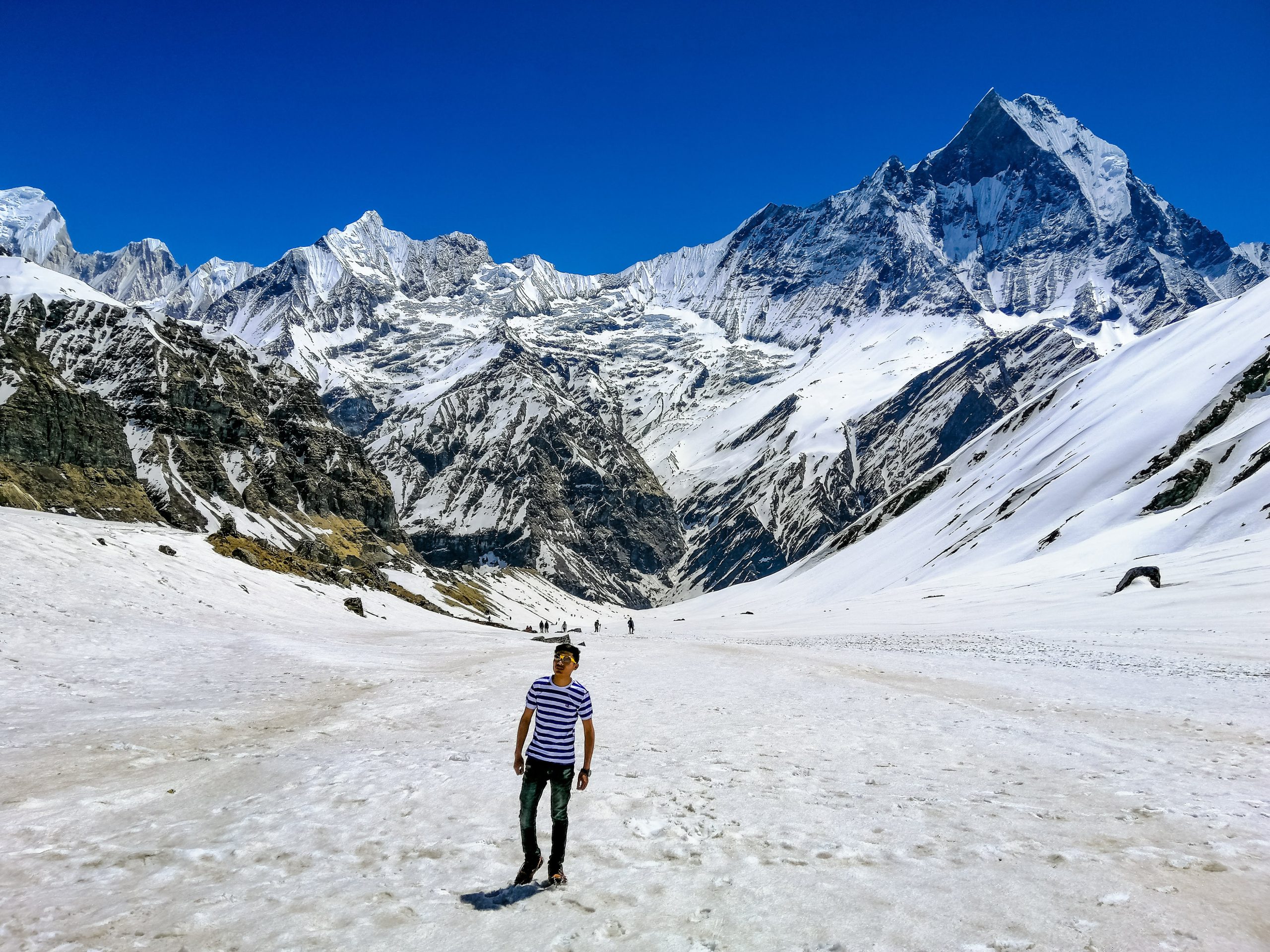
The Ghorepani Ghandruk Trek is a delightful journey through the Annapurna region of Nepal. Known for its spectacular sunrise views from Poon Hill and cultural encounters in the traditional villages of Ghorepani and Ghandruk, this trek is perfect for those looking for a shorter, yet enriching Himalayan experience.
Your adventure begins with a scenic drive from Pokhara to Nayapul, passing through picturesque countryside and along the banks of the Modi Khola River. Upon arriving at Nayapul, you’ll start your trek along a well-marked trail that winds through small villages and terraced fields. The path is relatively easy, with a gentle incline that allows you to acclimatize and enjoy the natural beauty around you. As you approach Tikhedhunga, the landscape transitions into a more forested area, setting the tone for the days ahead.
This day is one of the most challenging but rewarding days of the trek. You’ll start the day with a steep ascent up the Ulleri steps, a stone staircase that seems endless but offers fantastic views as you climb higher. The trail passes through dense rhododendron and oak forests, home to a variety of bird species. As you gain altitude, the air becomes cooler, and the views of the surrounding mountains become more prominent. After several hours of steady climbing, you’ll arrive in the village of Ghorepani, a bustling hub for trekkers. The village offers stunning views of the Annapurna and Dhaulagiri ranges, especially at sunset.
Wake up before dawn for the much-anticipated hike to Poon Hill. The early start is well worth it as you ascend to the viewpoint under a starlit sky. Upon reaching the top, you’ll be greeted by one of the most breathtaking sunrise views in the Himalayas. The golden rays of the sun gradually illuminate the Annapurna and Dhaulagiri ranges, creating a spectacular panorama that attracts trekkers from all over the world. After soaking in the views and capturing unforgettable photos, you’ll return to Ghorepani for breakfast before continuing your trek towards Tadapani. The trail to Tadapani involves a mix of ascents and descents through dense forests and along ridges with continuous views of the mountains.
The trek from Tadapani to Ghandruk is a relatively short and easy day compared to the previous days. The trail descends gradually, taking you through dense forests filled with oak, rhododendron, and pine trees. As you approach Ghandruk, the landscape opens up, revealing stunning views of the Annapurna range. Ghandruk is one of the largest Gurung villages in the region and is famous for its well-preserved culture and traditions. Spend the afternoon exploring the village, visiting the local museum, and interacting with the friendly villagers who are always eager to share their stories and traditions.
Drive back to Pokhara, where you can relax and enjoy the amenities of this lakeside city.


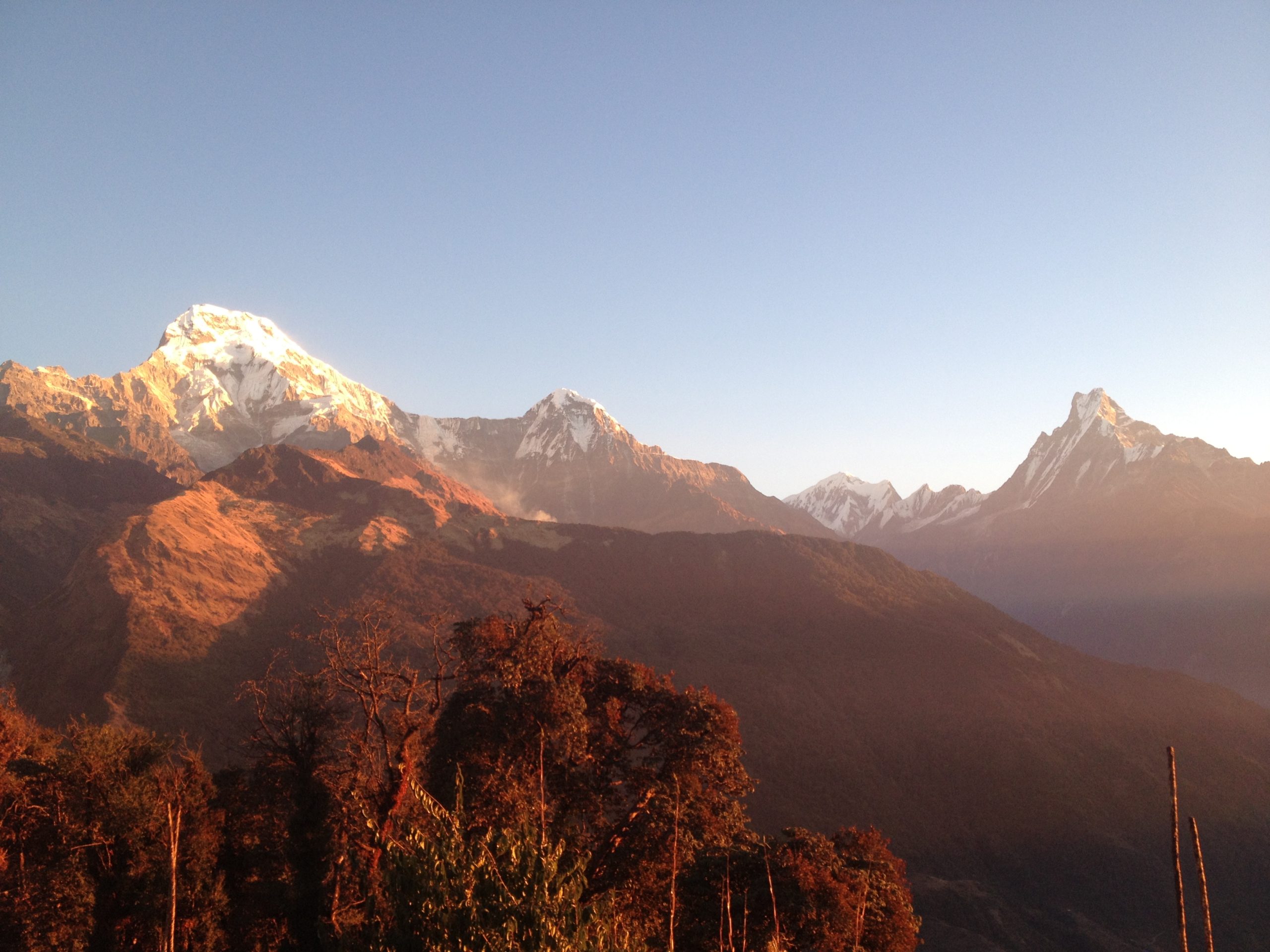

The best times for the Ghorepani Ghandruk Trek are during the pre-monsoon (March to May) and post-monsoon (September to November) seasons. These periods offer the best weather conditions, with clear skies and pleasant temperatures, making it ideal for trekking and viewing the Himalayas.
The trek is of moderate difficulty. While it doesn’t require technical climbing skills, it involves steep ascents and descents, particularly the Ulleri steps and the hike to Poon Hill. Trekkers should be in good physical condition and prepared for 4-7 hours of walking each day.
Although it’s possible to do the trek independently, hiring a guide can greatly enhance your experience. A guide can provide insights into the local culture, assist with navigation, and offer support in case of any difficulties. For first-time trekkers in Nepal, a guide is highly recommended.
The Ghorepani Ghandruk Trek reaches a maximum elevation of 3,210 meters at Poon Hill. While the risk of altitude sickness is lower than on higher-altitude treks, it’s still important to acclimatize properly, stay hydrated, and ascend gradually.
Yes, trekkers are required to obtain two permits: the Annapurna Conservation Area Permit (ACAP) and the TIMS (Trekkers’ Information Management System) card. These permits can be obtained in Kathmandu or Pokhara.
Booking Form