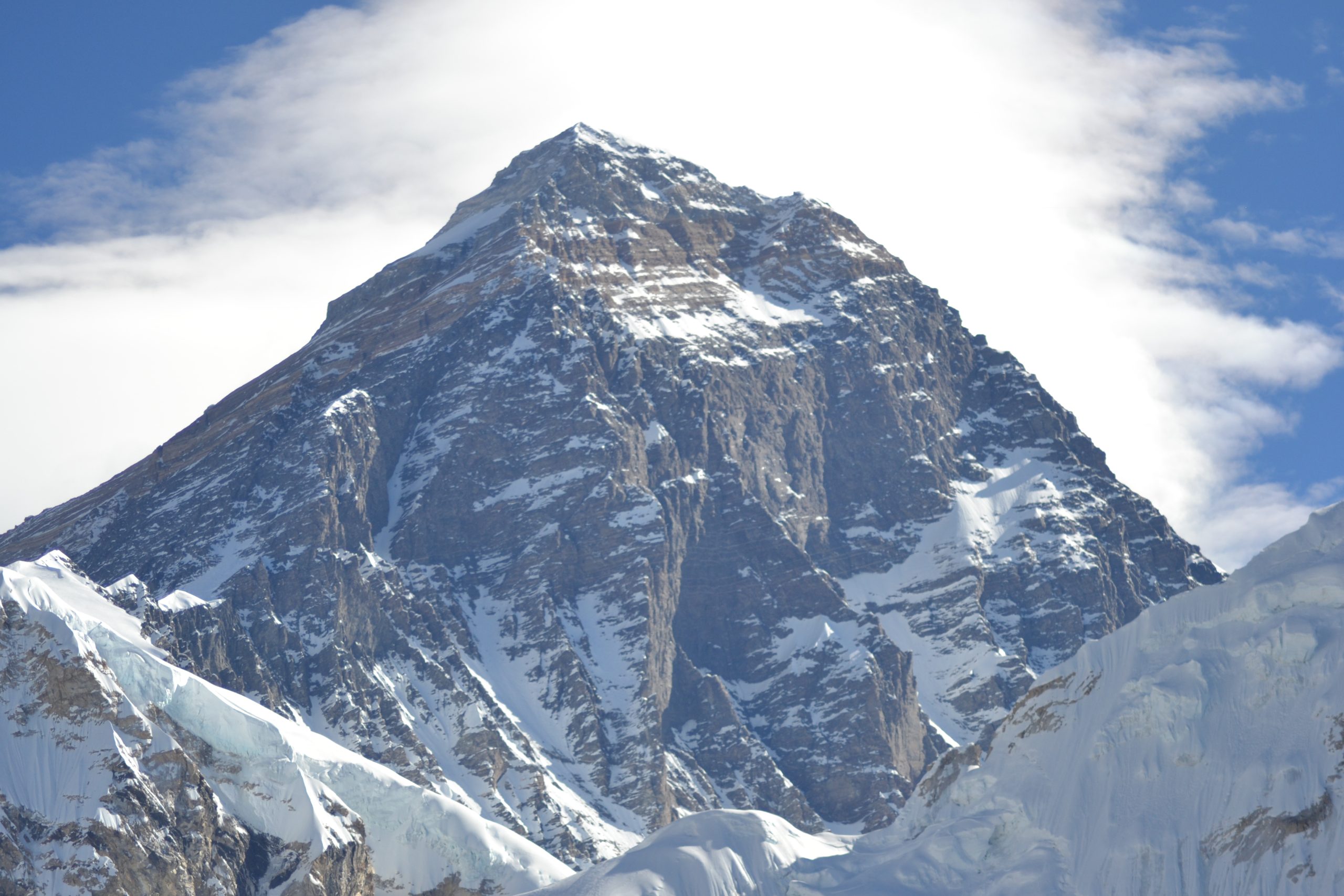
Mera Peak
6476m

Group Size
Min.1 pax

Duration
15 Days

Difficulty
Moderately Difficult

Accomodation
Hotels/Lodges/Camping

Meals
L.D.B

Best Seasons
March-May & Sept-Nov

Transportation
Vehicle and Flight

Region
Everest Region
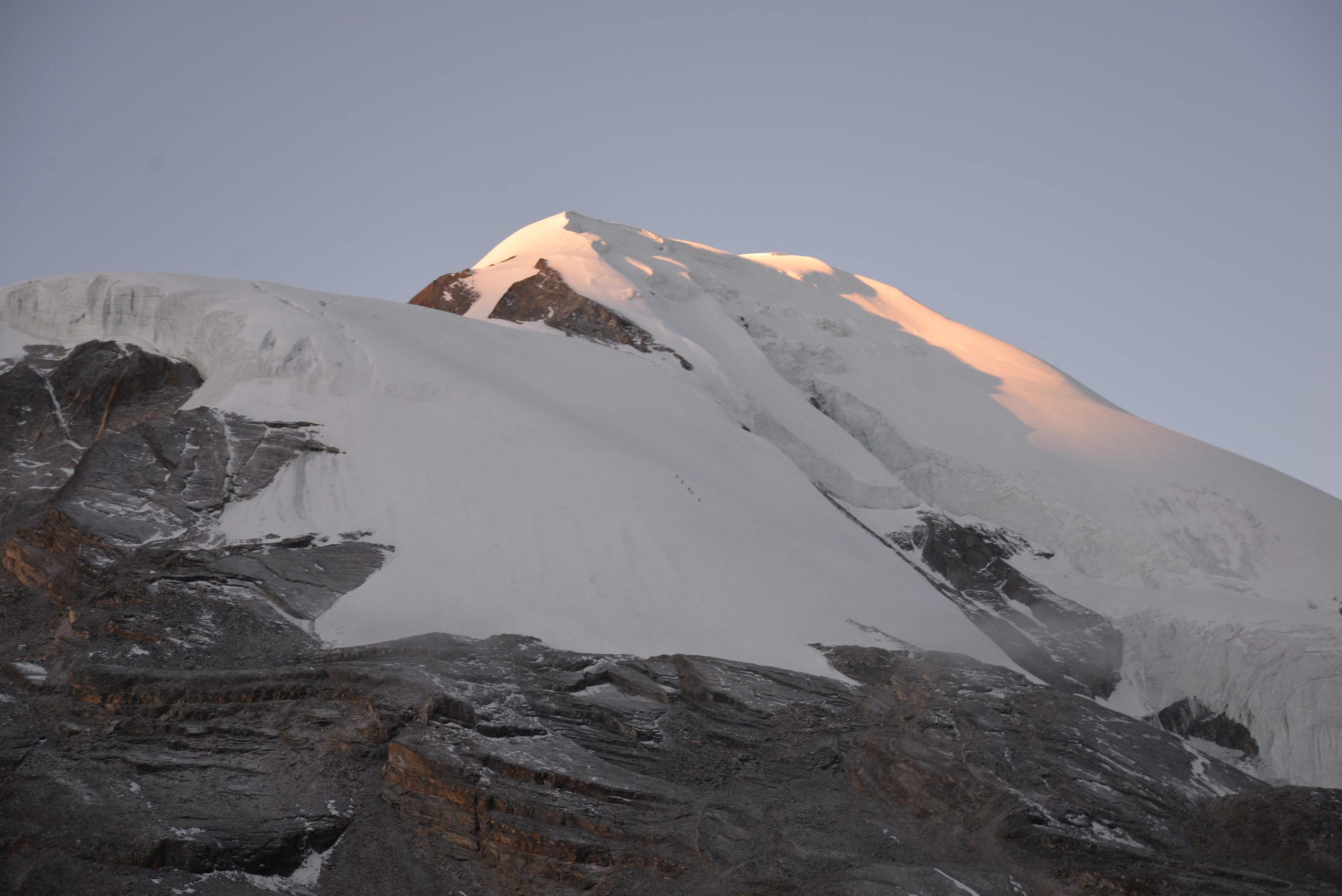
Embark on a thrilling expedition to the summit of Mera Peak, one of Nepal’s tallest trekking peaks at 6,476 meters (21,247 feet). This unforgettable climb offers adventurers an excellent chance to stand atop the highest peak in Nepal that does not require a formal climbing permit. As you ascend, you’ll be rewarded with unparalleled views of the towering Himalayas, including Everest, Cho Oyu, Makalu, Lhotse, and even the distant Kanchenjunga.
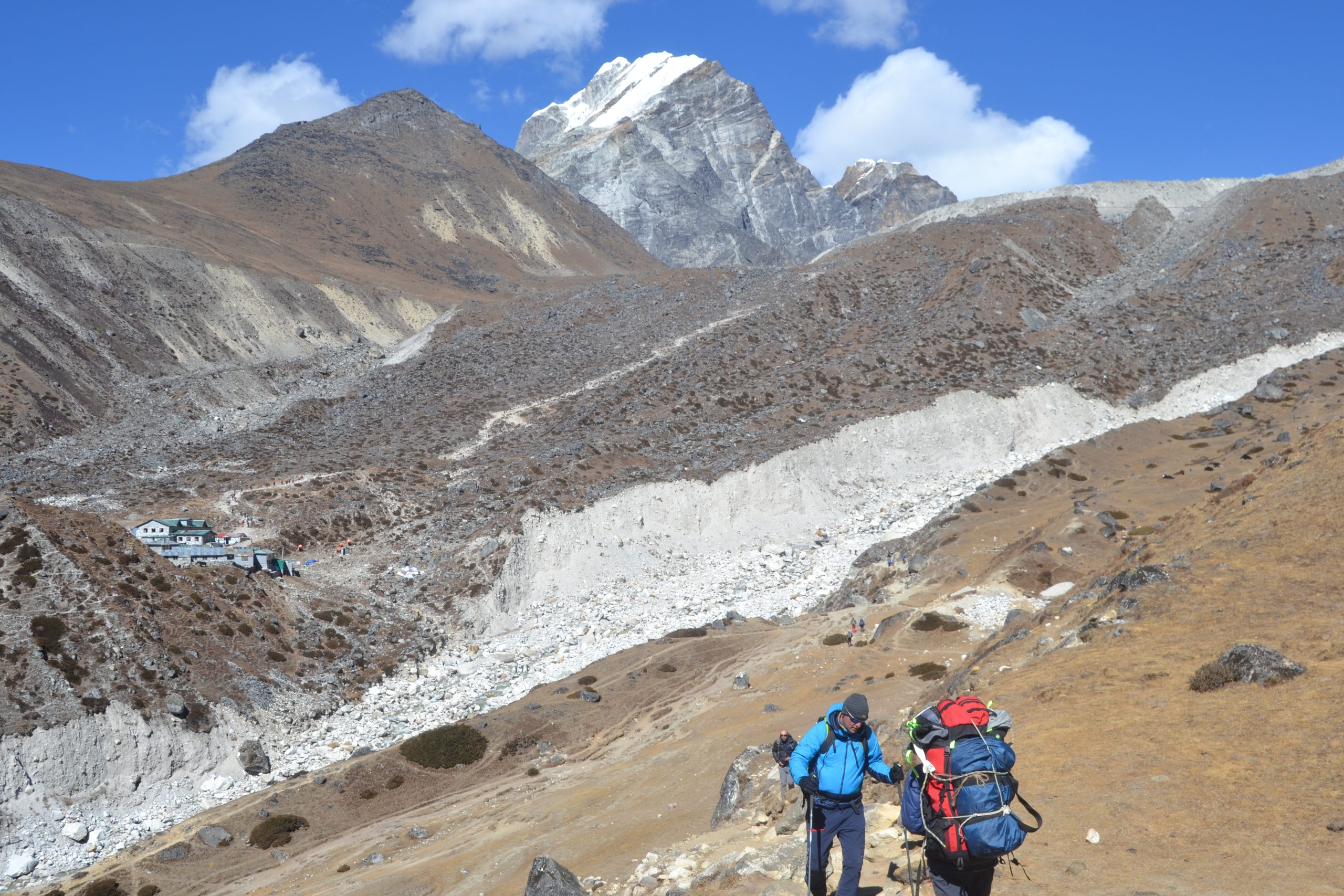
Your journey begins with a scenic flight to Lukla, followed by trekking through charming Sherpa villages. Unlike more crowded routes, we venture through the remote Hinku Honku Valley, where the tranquility and beauty of the surroundings enhance the sense of adventure. The trail leads you off the beaten path, eventually arriving at Mera Peak Base Camp, where the real climb begins.
No previous technical climbing experience is necessary, as Mera Peak’s slopes are moderate, with angles rarely exceeding 30 degrees. You’ll be safeguarded by fixed ropes, following the guidance of our expert Sherpa team. This ensures a safe yet thrilling ascent to the summit, where you’ll stand amid some of the world’s highest peaks.
Trekking and Climbing Comfort During your trek, enjoy comfortable guesthouse stays in Sherpa villages, experiencing the warm hospitality of Nepal’s mountain communities. At Khare, the adventure shifts as we transition to tented camps, where our experienced team, including guides, porters, and cooks, ensures a smooth and memorable climb.
After the climb, retrace your steps back to Lukla for a scenic flight to Kathmandu, capping off an adventure you’ll never forget.
With a focus on small group sizes, personalized service, and routes away from the crowds, we ensure that your Mera Peak adventure is unique, safe, and unforgettable.
Upon your arrival at Tribhuvan International Airport, our representative will greet you and assist with your transfer to the hotel in Kathmandu. After check-in, you can relax or stop by our office for a pre-trek briefing and trip details.
An early morning scenic flight to Lukla brings us to the gateway of the Everest region. From Lukla, we begin our trek, hiking through lush forests under the shadow of the Kalo Himal Ridge, heading toward Chhutang. This part of the trail is peaceful and less traveled, providing an ideal introduction to the remote wilderness of the region.
Today, we ascend towards the Zatrawala Pass (4,600m), where we are greeted by spectacular views of the Numbur Himal, Kongdi Ri, and Karyolang Peak. After crossing the pass, we descend to Tuli Kharka, nestled amidst panoramic landscapes.
The trail winds through dense forests of rhododendron, pine, and oak trees, with the Mera Peak gradually coming into view. After a steep descent to the Hinku River, we make a final climb to Kothe, offering tranquility amid the rugged beauty of the Hinku Valley.
Today’s journey follows the Hinku River along a ridge towards Thangnak. We will pass the ancient Lungsumgba Gompa, known for its unique rock carvings depicting the route to Mera Peak. The trail is easier today, allowing for a relaxed trek to Thangnak, a summer grazing area dotted with tea houses.
Our path takes us along the Hinku Nup and Shar Glaciers, leading to a steep ascent toward Khare. Upon arrival, enjoy magnificent views of the Northern Face of Mera Peak, while also preparing for higher elevations.
This day is dedicated to acclimatization, essential for adjusting to the high altitude. You can explore the surrounding area, or practice using your climbing gear, such as crampons and ice axes, as our Sherpa team ensures everything is in place for the summit attempt.
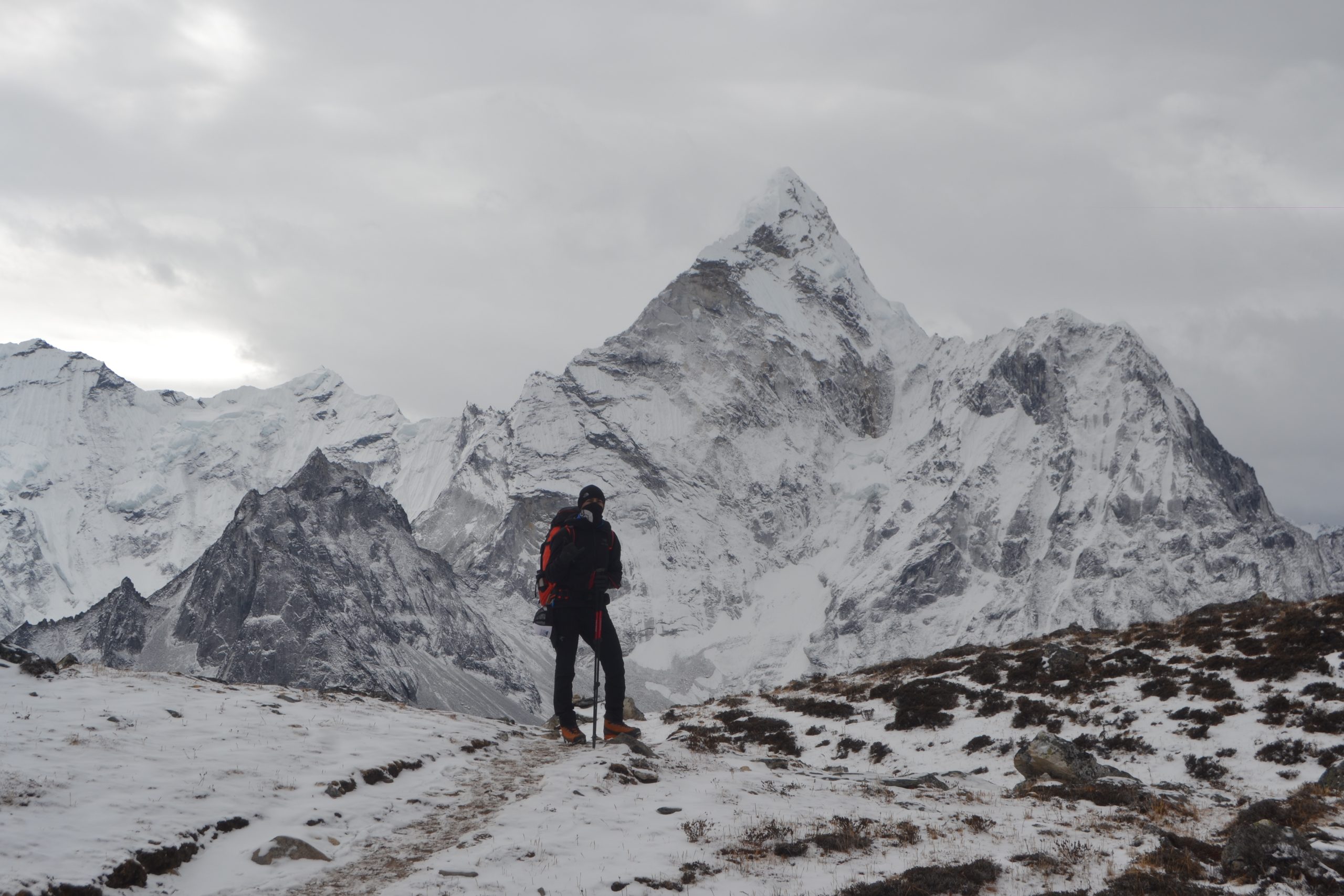
We climb toward the Mera La Pass and continue our trek along rocky, snow-covered trails to Mera Peak High Camp. Here, stunning views of Everest, Makalu, Cho Oyu, and other peaks set the stage for our summit bid.
Starting early in the morning, we begin our ascent to Mera Peak’s summit. After a challenging climb across glaciers and ridges, we reach the summit, where the views of Everest, Kanchenjunga, Makalu, and other 8000m peaks are breathtaking. After savoring this moment, we descend back to Khare for a well-earned rest.
In case of bad weather or unexpected conditions, we have a reserve day for the summit attempt. If unused, this day can be spent trekking leisurely back or exploring more of the region.
We retrace our steps from Khare, descending through high-altitude terrain back into the lush forests surrounding Kothe. This downhill trek offers another chance to appreciate the dramatic change in scenery.
Leaving Kothe, we trek through forests of rhododendron and birch, with glimpses of Mera Peak’s North and Central faces. The trail ascends gently as we make our way back to Tuli Kharka, with stunning views all around.
Our final trekking day involves crossing the Zatrawala Pass again, with one last look at the breathtaking Himalayan vistas before descending into Lukla. In the evening, we celebrate the success of our Mera Peak adventure with a farewell dinner.
After an early morning flight back to Kathmandu, you’ll have the rest of the day to relax or explore. You can visit some of Kathmandu’s iconic sites, enjoy shopping, or simply unwind at your hotel.
Your unforgettable Mera Peak Climbing adventure concludes. Our team will transfer you to the airport for your onward flight, leaving you with memories of a lifetime in the Himalayas.
Mera Peak is considered a non-technical climb, but it requires good physical fitness and stamina due to the high altitude and long trekking days. The ascent involves glacier trekking and some steep sections, but the snow slopes do not exceed 30 degrees, and climbers are safeguarded with fixed ropes. No prior technical climbing experience is necessary, but prior trekking experience at high altitudes is highly recommended.
The best times to climb Mera Peak are during the pre-monsoon (spring) season from March to May and the post-monsoon (autumn) season from September to November. During these periods, the weather is more stable, and visibility is excellent for mountain views. Avoid the monsoon and winter seasons as heavy rainfall and snowfall can make the trek dangerous and uncomfortable.
No, prior technical climbing experience is not required for Mera Peak. However, being familiar with basic trekking and having good physical fitness is crucial. Our experienced Sherpa guides will provide training on using gear like crampons, ice axes, and ropes before the climb.
You will stay in comfortable guesthouses in villages along the trek until we reach Khare. From Khare to Mera High Camp, we transition to tented camps, fully supported by our team of porters, cooks, and guides. These camps are well-equipped for high-altitude conditions, ensuring a comfortable and safe experience.
We provide three meals a day, including breakfast, lunch, and dinner, during the trek. Meals typically consist of traditional Nepali dishes, along with a variety of soups, rice, pasta, and bread to suit different tastes. Our team ensures that the food is nutritious and energy-rich to sustain you through long trekking days. At higher camps, the food is prepared by our experienced cooks.
Your safety is our top priority. We have experienced Sherpa guides, medical kits, and proper climbing gear in place to ensure a safe ascent. The use of fixed ropes on steep sections and regular altitude checks help mitigate risks. We also maintain small group sizes to offer personalized care and attention.
Physical preparation is crucial for Mera Peak. You should begin cardiovascular and strength training several months before the trek. Running, hiking with a backpack, cycling, and weight training will help build endurance. Additionally, we recommend some experience with multi-day treks at higher altitudes to get accustomed to the challenges of this type of expedition.
Booking Form