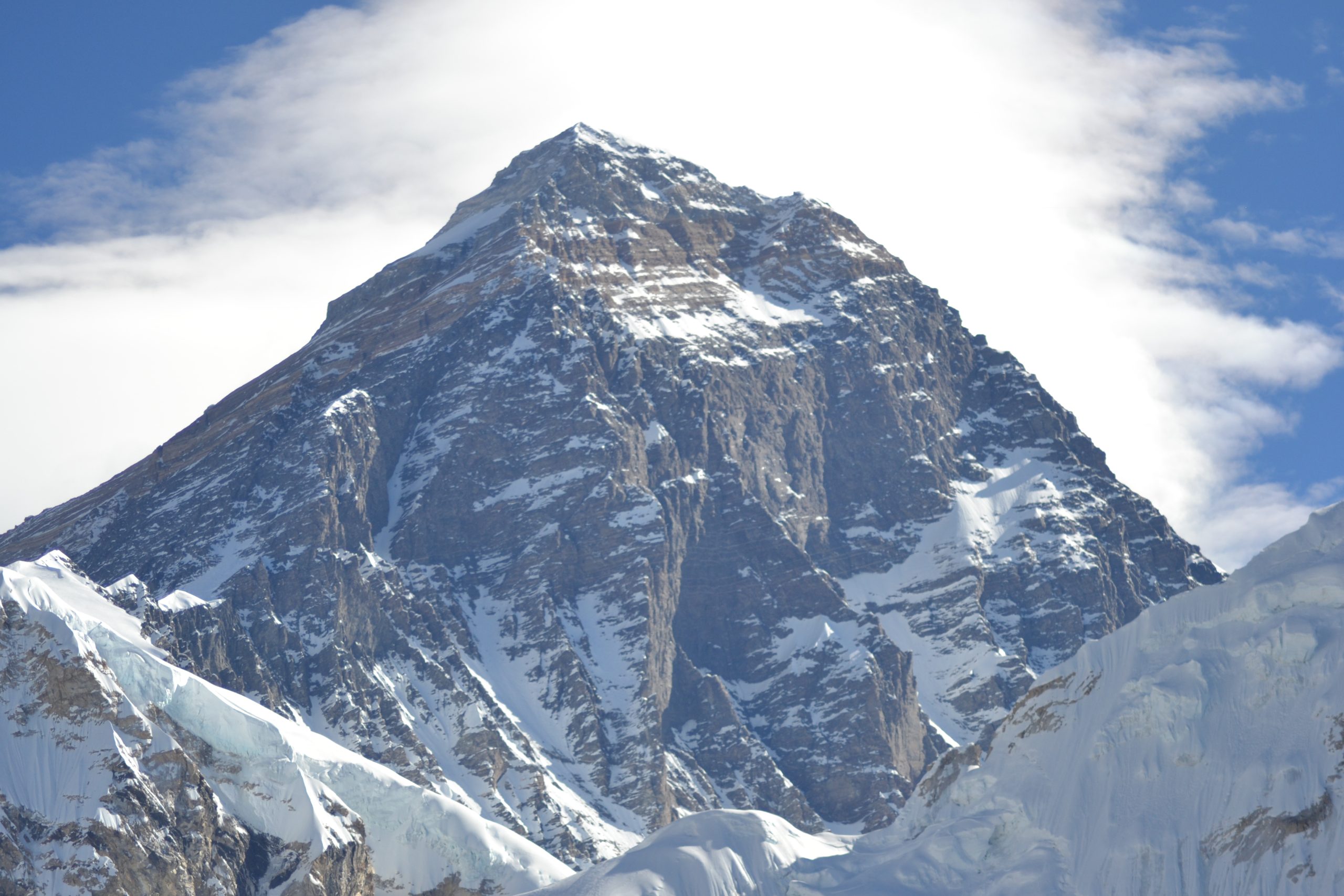
Chulu West Peak
6419m

Group Size
Min.1 Pax

Duration
17 Days

Difficult
Moderately Difficult

Accomodation
Hotels/Lodges/Camping

Meals
L.D.B

Best Seasons
March-May & Sept-Nov

Transportation
Vehicle and Flight

Region
Annapurna Region
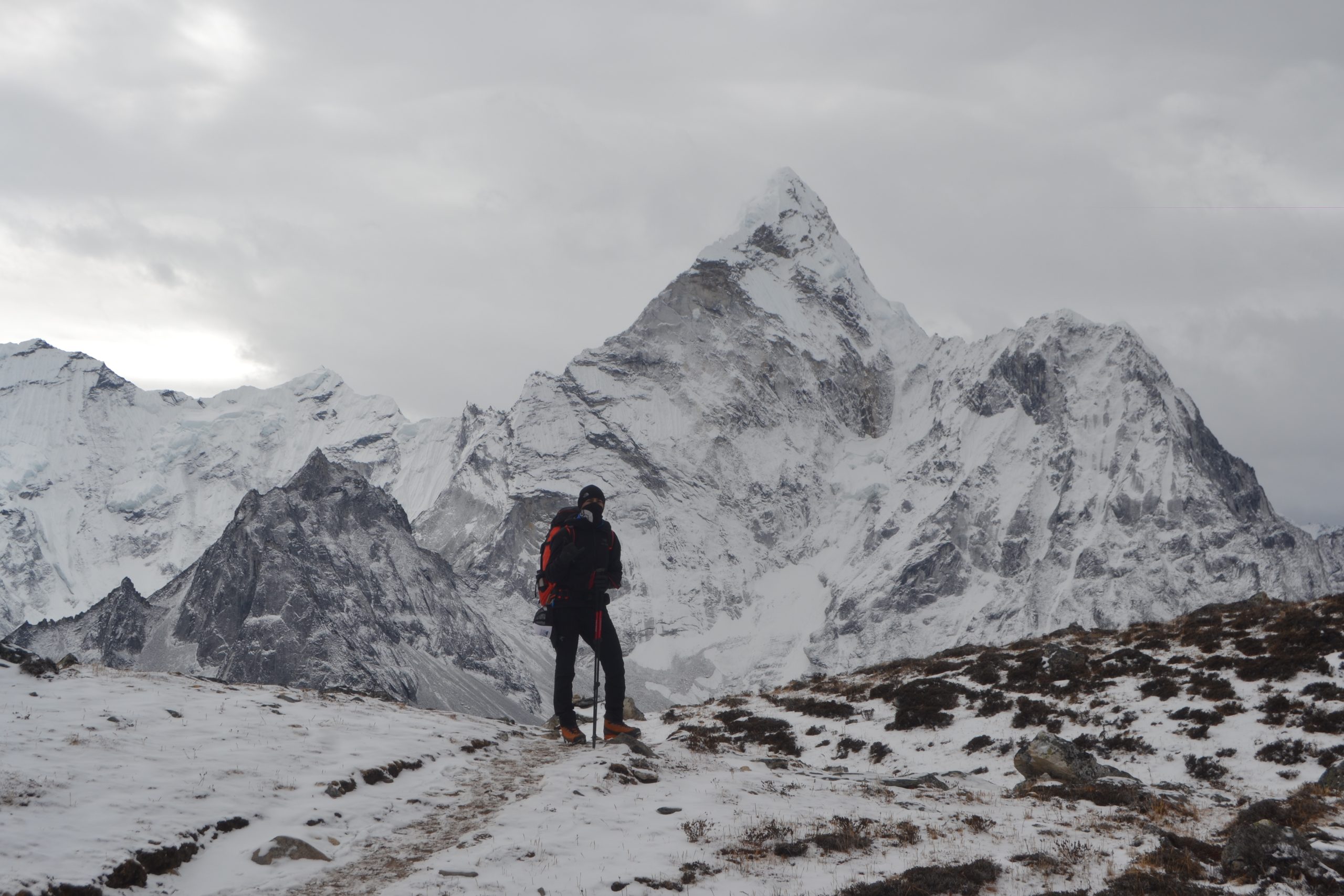
Reach new heights and challenge yourself with an unforgettable adventure to the summit of Chulu West Peak (6,419m). Located in the stunning Annapurna region, this climb offers more than just a test of your physical limits—it provides breathtaking views of Himalayan giants like Dhaulagiri (8,167m), Annapurna (8,091m), Nilgiri North (7,061m), and the striking Tilicho Lake (4,919m), the world’s highest lake.
Your journey unfolds through an area steeped in rich Tibetan Buddhist culture, welcoming you with authentic hospitality and spiritual traditions. As you trek, immerse yourself in landscapes that range from lush valleys to the alpine highlands, crossing the dramatic Thorong La Pass (5,416m). Along the way, discover ancient Gurung villages, blossoming rhododendron forests, and the peaceful meadows where yaks graze under the shadow of snow-capped peaks.
With over 10 years of experience, Save Mountain Treks & Expedition stands apart from the rest. We don’t just lead treks—we craft personalized journeys that prioritize your safety, comfort, and ultimate enjoyment. Our experienced guides know the region intimately and are dedicated to providing not only expert assistance but genuine care. Whether it’s sharing a story around a campfire or making sure every detail is taken care of, we go the extra mile to ensure this adventure is one you’ll never forget.
Join us and feel the exhilaration of conquering Chulu West Peak, a journey through diverse landscapes, rich culture, and the unspoiled beauty of the Himalayas. It’s more than just a trek—it’s a memory of a lifetime.
This journey blends adventure, culture, and nature, offering an unparalleled experience of the Himalayas!
Welcome to Kathmandu, Nepal’s vibrant capital brimming with lively markets, bustling streets, and historical landmarks. Upon arrival, you will be greeted by our representative and transferred to your hotel. Once settled in, you can explore nearby markets or shop for any last-minute trekking gear. In the evening, you’ll meet your guide for a briefing session, offering essential information about the trek, including preparations and safety protocols. Relax at your hotel and get ready for the adventure that lies ahead.
Tip: Take a stroll through Thamel, the famous tourist hub, for an early taste of Kathmandu’s local culture.
Duration: 7-9 hours | Distance: Approx. 110 km
After an early breakfast, we set off on a scenic drive from Kathmandu, passing through Besisahar (823m) on our way to Syange (1,140m), the starting point of our trek. The journey takes around 7-9 hours, covering approximately 110 kilometers of winding roads through picturesque hills, terraced farmlands, and traditional villages. As you travel, you’ll enjoy your first glimpses of the Himalayan ranges in the distance, with lush valleys and waterfalls punctuating the landscape.
Upon reaching Syange, a charming village nestled near the Marsyangdi River, you’ll be able to stretch your legs and relax after the long drive. The air becomes fresher and cooler as you near the mountains, setting the stage for the trekking days ahead. After checking into your teahouse, you can unwind and prepare for tomorrow’s journey deeper into the Annapurna region.
Duration: 5-6 hours | Distance: Approx. 15 km
Our trek begins with a steady walk from Syange as we cross a suspension bridge and follow a trail that gradually ascends towards Tal (1,700m), a picturesque village by the Marsyangdi River. The landscape transitions from terraced farmlands to steep cliffs and lush greenery, giving us a diverse range of scenery to admire. As we trek, you’ll notice waterfalls cascading down the hillsides, creating a soothing backdrop.
After a few hours, we arrive at Dharapani (1,943m), a village set amidst pine forests and mountains. You’ll feel the elevation gain as the air becomes cooler, signaling that we are entering the heart of the Annapurna region. Dharapani serves as a popular resting point for trekkers heading deeper into the mountains, and you’ll be welcomed by the warm hospitality of the locals. After settling in at our teahouse, you can relax and enjoy the surrounding views of the snow-capped peaks.
Duration: 6-7 hours | Distance: Approx. 16 km
Today’s trek takes us through a variety of landscapes as we climb higher into the Manang District. The trail leads through lush forests and along ridges, offering spectacular views of Lamjung Himal and Annapurna II. As we pass through Bagarchhap, a village known for its Tibetan architecture, you’ll notice the culture shift toward Tibetan Buddhist influences, visible in the prayer flags and chortens dotting the landscape.
The trail continues through alpine forests, crossing rivers and passing through the charming village of Koto before finally reaching Chame, the district headquarters of Manang. Chame is a bustling village surrounded by towering mountains and apple orchards, and it’s an excellent place to rest and explore. The crisp mountain air and breathtaking vistas make Chame a memorable stop on our trek.
Duration: 4-5 hours | Distance: Approx. 15 km
Today’s trek offers some of the best panoramic views yet, as we leave Chame and continue through pine forests, making our way towards the Manang Valley. After crossing several suspension bridges over the Marsyangdi River, the trail starts to climb, revealing breathtaking views of Annapurna II and Pisang Peak. We pass through Telekhu before arriving at Lower Pisang (3,250m), where the village is set against a backdrop of towering peaks and glacial rivers.
For those seeking an extra challenge, an optional trek to Upper Pisang offers even more stunning views of the Chulu and Annapurna ranges. Pisang is a traditional mountain village where you can get a closer look at the local culture, marked by Tibetan-style homes and monasteries. You’ll spend the night here, with majestic views of Pisang Peak (6,091m) and Chulu West (6,149m) surrounding the village.
Duration: 7-9 hours | Distance: Approx. 18 km
Our journey today takes us deeper into the Upper Manang Valley as we head towards Manang. The trail offers two routes: a lower trail that follows the valley floor or a more scenic, higher route that passes through Ghyaru and Ngawal, offering sweeping views of the Annapurna Massif. We’ll choose the higher route to enjoy the best views and more acclimatization time.
Along the way, we stop at Braga, an ancient Tibetan village known for its stunning Braga Gompa (monastery), perched on a hillside. After exploring the monastery, we continue our trek towards Manang, where you’ll be greeted by spectacular views of Annapurna II, Gangapurna, and Tilicho Peak. Manang is a popular stop for trekkers to acclimatize, and its lively atmosphere offers plenty of opportunities to interact with locals and fellow adventurers.
To ensure our bodies adjust to the increasing altitude, we spend the day in Manang for acclimatization. Staying active is essential, so we’ll embark on a short hike to Khangsar Village (3,756m) or the Gangapurna Glacier viewpoint. These side trips offer fantastic views of the surrounding peaks, including Annapurna III, Tilicho Peak, and the Grand Barrier.
Back in Manang, you can explore the village, visit the Manang Monastery, or relax at a local cafe. The day helps prepare your body for the higher elevations we will encounter in the coming days, ensuring a safer and more enjoyable trek.
Duration: 4-5 hours | Distance: Approx. 10.4 km
After leaving Manang, the trail climbs steadily towards Yak Kharka. The landscape becomes more barren as we ascend into the high-altitude region, where the vegetation is sparse, and the air is noticeably thinner. Along the way, we pass Gunsang, a small settlement offering fantastic views of Annapurna III and Chulu West.
We continue trekking past juniper and alpine meadows where yaks graze, giving the region its name. You’ll notice the change in the air, with cooler temperatures and a stark, rugged landscape. Yak Kharka is a peaceful stopping point, providing much-needed rest before we continue toward higher altitudes.
Duration: 4-5 hours | Distance: Approx. 8 km
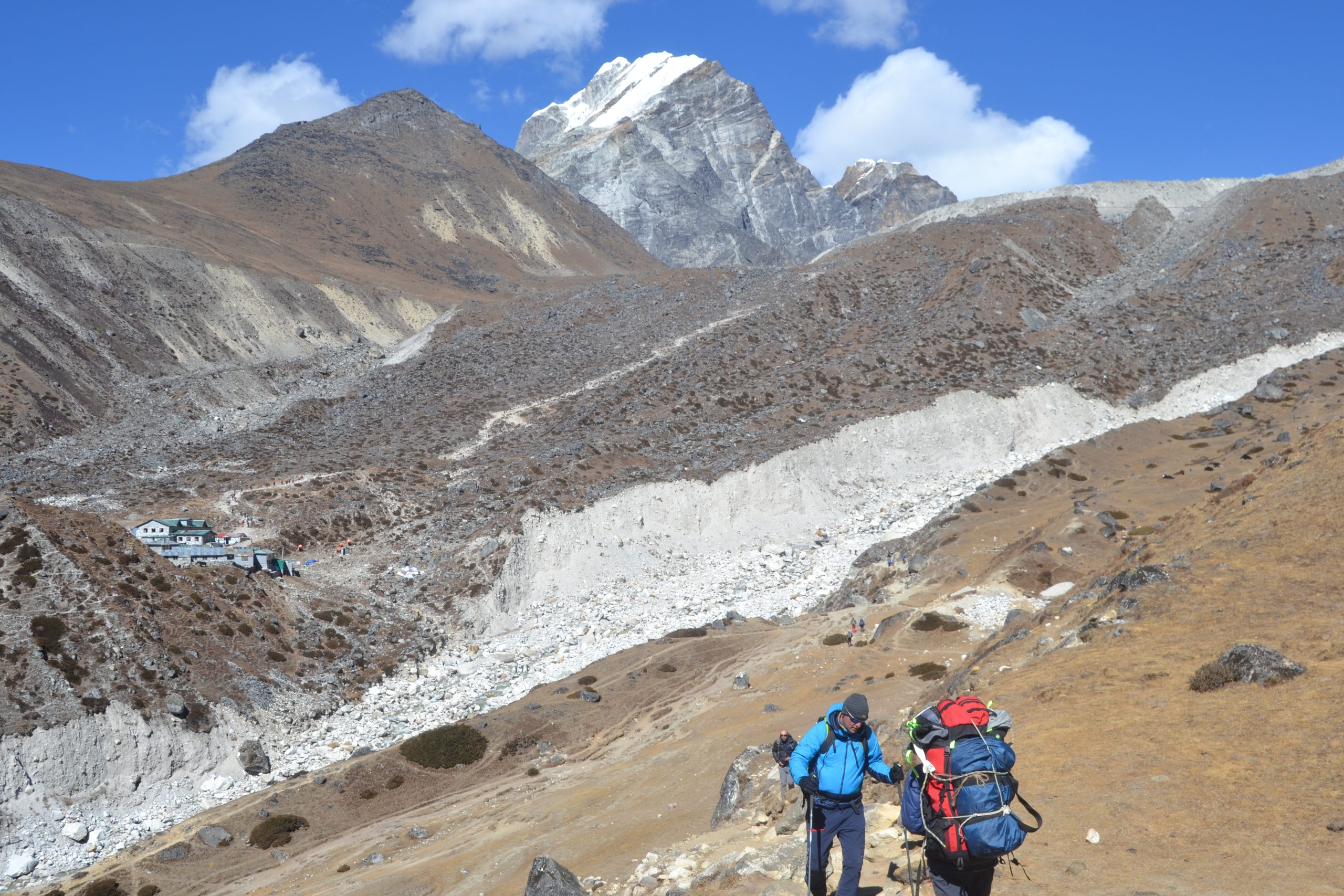
Today’s trek takes us closer to the heart of the Annapurna Range as we steadily ascend to Chulu West Base Camp (4,900m). The trail offers panoramic views of the Annapurna and Dhaulagiri ranges, with towering snow-capped peaks framing the path. As we near Base Camp, the terrain becomes more rugged, with glacial streams and alpine rocks dominating the landscape.
Upon reaching Base Camp, you’ll be surrounded by some of the most awe-inspiring views in the Himalayas. We set up camp here, allowing you to rest and prepare for the summit climb. The silence and beauty of the surroundings make this a memorable place to spend the night.
Duration: 4-5 hours | Distance: Approx. 5 km
After a restful night at Base Camp, we make our way to High Camp at 5,100m. The trek today is short but challenging, as we ascend further into high-altitude terrain. The trail is steep in places, and you’ll feel the thinner air, but the incredible views of Chulu West, Annapurna, and Tilicho Peak make every step worth the effort.
Once we reach High Camp, you’ll have time to rest, hydrate, and mentally prepare for tomorrow’s summit attempt. The camp’s location offers unmatched views of the surrounding peaks, and the quiet atmosphere at this elevation will make you feel like you’re on top of the world.
Duration: 8-10 hours | Distance: Varies
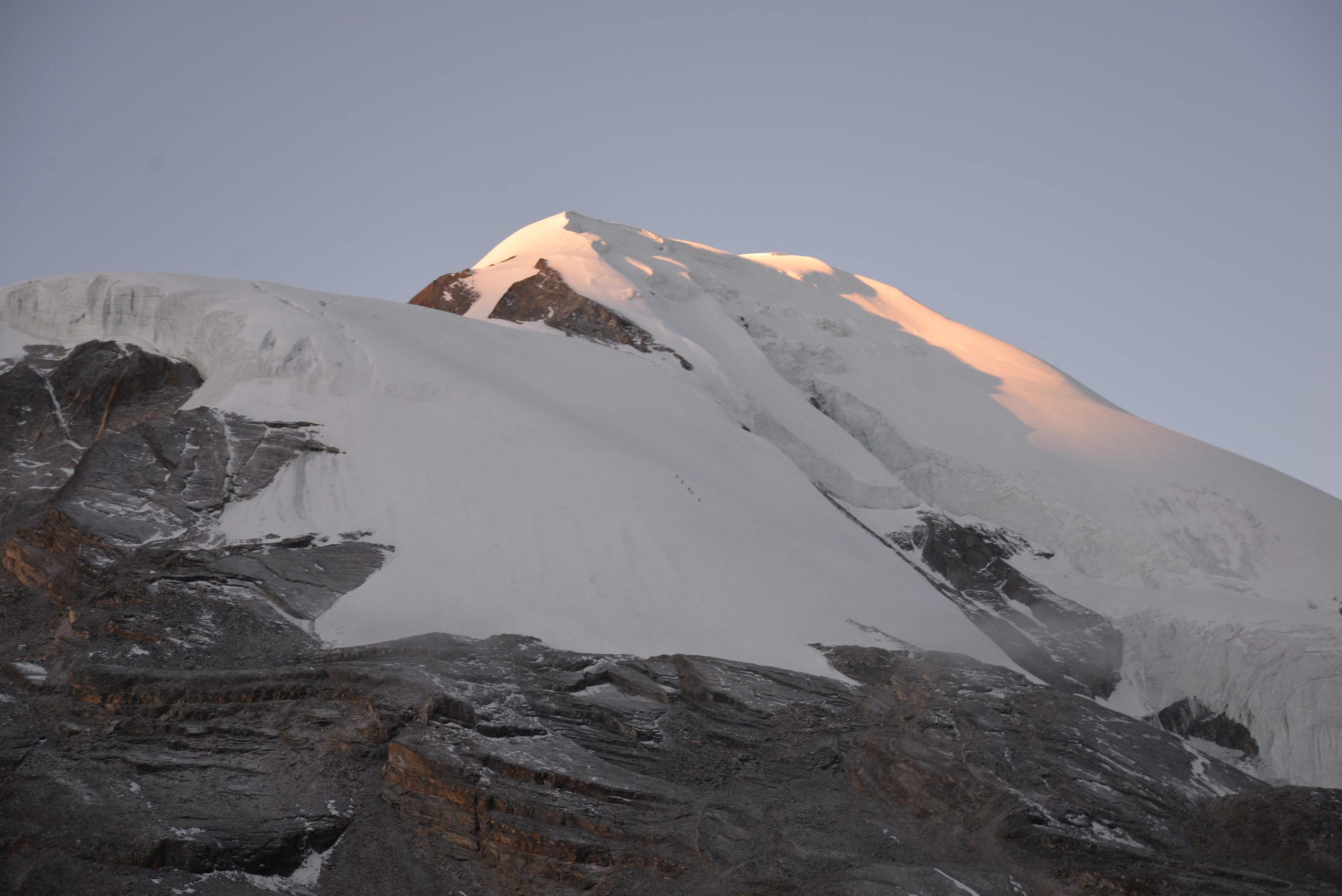
Today is the highlight of the expedition – the summit of Chulu West Peak (6,149m). We start the ascent in the early morning, aiming to reach the summit around midday. As we climb, the views of the Annapurna and Dhaulagiri ranges become even more spectacular, with glaciers and snowfields stretching out below us. The summit offers an unforgettable 360-degree panorama of the surrounding peaks.
After taking in the views and celebrating your achievement, we carefully descend back to Base Camp, where we rest after a long and rewarding day.
Duration: 5-6 hours | Distance: Approx. 10 km
Following our successful summit, we descend from Base Camp and make our way towards Thorong La Phedi, the base camp for the Thorong La Pass crossing. The trail takes us through rugged terrain, with more breathtaking views of the Annapurna Massif. You’ll feel a great sense of accomplishment as you trek downhill, surrounded by the grandeur of the Himalayas.
We rest at Thorong La Phedi, where the excitement builds for tomorrow’s crossing of one of the highest passes in the world.
Duration: 8-9 hours | Distance: Approx. 16 km
Today is one of the most challenging days of the trek as we cross the legendary Thorong La Pass (5,416m), the highest point on the Annapurna Circuit. We begin early to avoid the strong winds that often develop later in the day. The climb to the pass is steep and demanding, but the reward at the top is a stunning view of Annapurna, Dhaulagiri, and other peaks.
After taking time to savor the views at the pass, we descend to Muktinath (3,802m), a sacred pilgrimage site for Hindus and Buddhists. The landscape here changes dramatically, with arid hills and windswept valleys replacing the lush forests of previous days. We spend the night in Muktinath, a place known for its spiritual significance and peaceful ambiance.
Duration: 5-6 hours | Distance: Approx. 16 km
After visiting the Muktinath Temple, we continue our descent towards Jomsom, passing through Kagbeni, a medieval village known for its ancient monasteries and orchards. The trail follows the Kali Gandaki River, one of the world’s deepest river gorges, flanked by towering cliffs.
Kagbeni offers a unique blend of Tibetan culture and breathtaking scenery. After a brief stop, we trek further along the valley to Jomsom (2,750m), the administrative hub of the Mustang region. Jomsom has a small airport, marking the end of our trekking journey. Tonight, we rest in Jomsom, reflecting on the incredible landscapes and experiences of the past day
Duration: 20-minute flight
This morning, we take a short yet scenic flight from Jomsom to Pokhara, one of Nepal’s most beautiful cities, nestled beside Phewa Lake. The flight offers stunning aerial views of the Annapurna and Dhaulagiri ranges. Upon arrival in Pokhara, you’ll have the rest of the day to explore this lakeside city at your leisure.
Pokhara is a traveler’s paradise, offering boat rides on the lake, visits to the World Peace Pagoda, and walks along its vibrant streets filled with cafes and shops. The city’s serene atmosphere provides the perfect contrast to the rugged mountains we’ve just conquered.
Duration: 6-7 hours | Distance: Approx. 200 km
After a relaxing morning in Pokhara, we drive back to Kathmandu, retracing our route through terraced fields and small villages. The scenic drive takes about 6-7 hours, with opportunities to stop along the way for photos and snacks.
Upon arrival in Kathmandu, you can spend the evening shopping for souvenirs or simply relaxing in your hotel. A farewell dinner with your trekking team offers a chance to celebrate your successful climb and reflect on the journey.
It’s time to say goodbye to Nepal and the Himalayas. After breakfast, we’ll transfer you to Tribhuvan International Airport for your departure flight. As you leave Nepal, you’ll carry with you memories of incredible mountain vistas, warm hospitality, and the personal triumph of summiting Chulu West Peak.
Chulu West Peak is classified as a technical climbing expedition. While it’s a challenging peak for climbers, the climb is achievable for trekkers with prior experience in high-altitude trekking and basic mountaineering skills. Knowledge of using crampons, ice axes, and ropes is essential. Physical fitness, endurance, and the ability to trek at high altitudes are crucial for a successful summit.
Yes, prior trekking or climbing experience at high altitudes is highly recommended. Although Chulu West is not considered an extremely technical climb, you should have some experience with basic mountaineering techniques such as using crampons, ropes, and ice axes. This climb is more suitable for those who have previously done treks or climbs at elevations over 5,000m.
The best times to climb Chulu West are during the spring (March to May) and autumn (September to November) seasons. During these periods, the weather is stable, and the skies are generally clear, offering the best views of the mountains. The temperatures are also moderate, making trekking and climbing more comfortable. The monsoon season (June to August) brings heavy rains, while winter (December to February) can bring extreme cold and snow, making the climb more challenging.
To climb Chulu West, you need several permits:
These permits will be arranged by your trekking company and are mandatory for all trekkers and climbers in the Annapurna region.
To prepare for Chulu West Peak, it is important to focus on cardiovascular fitness, strength training, and endurance. Engage in regular aerobic exercises like running, cycling, or swimming, and incorporate strength training for your legs and core muscles. Hiking with a weighted backpack, particularly at high altitudes, will help simulate the conditions you’ll experience on the trek. Aim to start training at least 3-6 months prior to your expedition.
Climbers must have comprehensive travel insurance that covers high-altitude trekking and climbing, including emergency helicopter evacuation if necessary. Your insurance should also cover trip cancellations, medical expenses, and lost or delayed baggage. It’s essential to carry a copy of your insurance policy and provide the details to your trekking company.
Yes, Save Mountain Treks & Expedition, offer customization options for the Chulu West Peak Climbing itinerary. You can adjust the number of acclimatization days, choose alternate routes, or add extra activities in Pokhara or Kathmandu before or after the trek. Customizations can be discussed with your trekking provider before finalizing your booking.
Booking Form